Why Learning French is a must today : Global, Cultural & Career Gains
In today’s globalized world, being multilingual is more important than ever. French is spoken by over 300 million people across five continents, making it one of the most influential and widely used languages.
Whether for travel, career growth, cultural immersion, or personal development, learning French in 2026 opens doors. Private lessons with a skilled tutor offer tailored guidance to boost fluency faster. Here’s why you should start your French learning journey today.

1. The Global Importance of the French Language
French is spoken worldwide, from Europe to Africa, North America, the Caribbean, and the Pacific. It’s the official language in 29 countries and a working language for international organizations like the United Nations, European Union, NATO, and the International Olympic Committee.
French is also the second most learned language globally after English and the third most used on the internet, offering access to professional networks, online resources, and digital markets.
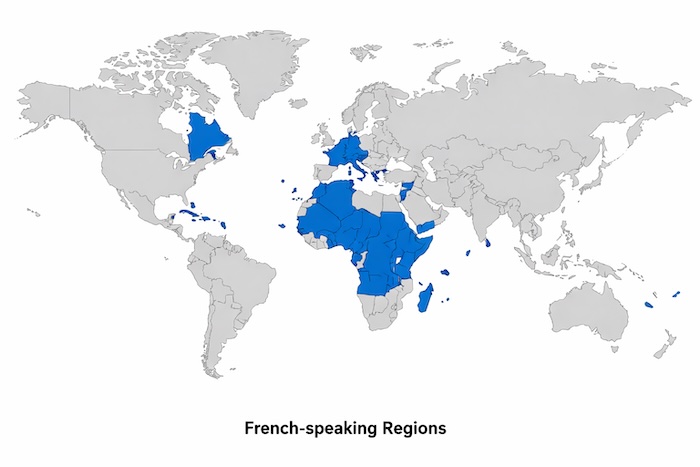
French holds official status in 29 countries. In addition, it serves as one of the working languages in major international organizations. You’ll find French used in the United Nations, European Union, NATO, and the International Olympic Committee.
The language ranks as the second most learned language globally after English. As a result, when you learn French, you’ll gain access to diplomatic channels and international business opportunities.
French is the third most used language on the Internet after English and Chinese. And this digital presence continues to expand. Your ability to communicate in French opens doors to online resources, professional networks, and digital markets that many English-only speakers cannot access.
1.1 The Rising Influence of Francophone Africa
Most French speakers now live outside France, with Africa representing the fastest-growing French-speaking population. Countries like Senegal, Ivory Coast, and the Democratic Republic of Congo actively participate in international Francophonie summits focused on education, human rights, and economic collaboration.
1.2 French-Speaking Communities Worldwide
Other major regions include:
-
North America: Quebec, parts of Ontario, Louisiana, New England
-
Europe: France, Belgium, Switzerland, Luxembourg, Monaco
-
Africa: 26 countries including Morocco, Algeria, Tunisia, Madagascar
-
Caribbean: Haiti, Martinique, Guadeloupe
-
Pacific: French Polynesia, New Caledonia
Understanding French connects you to this global network of 88 Francophonie member states and millions of speakers worldwide.
2. Career Opportunities Across Multiple Industries
French language proficiency creates measurable financial benefits and competitive advantages in the global job market.
Bilingual professionals who speak French :
- earn higher salaries
- access positions in multinational companies,
- and qualify for roles that remain out of reach for monolingual candidates.
2.1 Work Across French-Speaking Countries
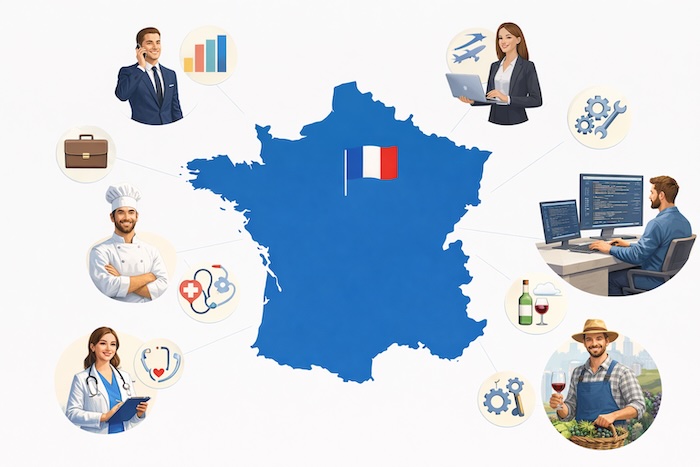
Companies like L’Oréal, Renault, and Total operate in French-speaking regions. Bilingual professionals can access roles in Africa, Europe, and North America, often with higher salaries and leadership opportunities
2.2 French-Speaking Professionals and Higher Salaries
Bilingual employees earn 2–5% more over their careers, often filling specialized roles in:
-
International business partnerships
-
Tourism and hospitality
-
Global health organizations
-
Diplomacy and international relations
Speaking French gives you a competitive edge for promotions, international assignments, and specialized roles across sectors.
The benefits of learning French include qualifying for positions in diplomacy, international relations, and global health organizations. Your bilingualism demonstrates commitment to professional development and cultural adaptability. These qualities make you stand out in competitive job markets where many candidates share similar technical qualifications.
3.Enhancing Travel and Everyday Life
Learning French gives you practical tools for navigating daily situations in French-speaking regions. In addition, you can access a wider range of media and cultural content. You gain the ability to communicate directly with locals and understand French news, entertainment, and information sources.

3.1 Traveling Across French-Speaking Destinations
Firstly, when you travel to French-speaking destinations, you can handle everyday tasks without relying on English or apps.
Speaking French allows real conversations with locals. You gain cultural insights, make friends, and participate fully in French life. The French language helps you move beyond tourist areas. You can explore smaller towns and rural regions where English speakers are less common.
3.2 Accessing French Media and Information
Finally, French fluency gives access to:
-
News sources like TV5MONDE
-
French films and TV shows without subtitles
-
Books, poetry, and literature unavailable in translation
-
Cooking shows, podcasts, and culinary guides
4. French Culture, Art, and Culinary Heritage
France’s cultural offerings encompass literature, visual arts, cinema, and cuisine. Studying French grants access to these vibrant traditions in their authentic form. It allows you to appreciate the richness and subtleties that translations frequently overlook.

4.1 Immersing in French Art and Cinema
French literature has shaped global thought for centuries. You can read Victor Hugo’s Les Misérables and The Hunchback of Notre-Dame as he wrote them, capturing the social commentary and emotional power that made him one of history’s most influential writers.
Furthermore, French cinema stands among the world’s most respected film traditions. Watching French films without subtitles reveals dialogue rhythms, wordplay, and cultural references you’d otherwise miss.
French media and culture includes music, theater, and contemporary entertainment. French is often called the language of love because of its association with romance, art, and refined culture throughout history.
4.2 Delighting in French Cuisine and Gastronomy
By learning French, you gain insight into recipes, cooking methods, and the menu language that chefs utilize worldwide. The French Gastronomic meal is classified as a UNESCO intangible cultural heritage.
French culinary skills and techniques remain essential in professional kitchens today. Terms like sauté, flambé, confit, and mise en place come from French cooking traditions. When you know French, you understand not just the words but the cultural context behind these methods.
5. Academic Access and Language Learning Benefits
French opens doors to world-class universities and Grandes Écoles, many of which require B2/C1 French proficiency.

5.1 Pathways to French Universities and Grandes Écoles
France is home to 16 universities that are among the top 500 in the world. Studying at French universities is quite affordable, especially for EU students who frequently enjoy fewer tuition fees.
The Grandes Écoles represent France’s elite higher education system. These selective institutions specialize in engineering, business, and public administration. You need strong French language skills to gain admission and succeed in these programs.
5.2 Academic Recognition and Exchange Programs
French proficiency qualifies you for Erasmus+ programs, Canadian universities, and African institutions, connecting you to global academic networks.
Quebec’s universities welcome international students with French proficiency.
African universities in Senegal, Morocco, and Côte d’Ivoire accept students with French credentials. You can collaborate with researchers across 29 countries where French serves as an official language.
Conclusion: Start Learning French Today
Learning French in 2026 is about more than language—it’s about career growth, cultural enrichment, travel freedom, and global connections. Private lessons can accelerate your fluency, giving you confidence to engage fully in Francophone life.
Ready to begin? Book your private French lessons with Agnes and start your journey to mastering French today!