French Idioms with Food Explained for Everyday Conversation
French idioms often use food to express ideas that have very little to do with eating. Someone may have la pêche without holding a peach, announce that les carottes sont cuites when there are no carrots in sight, or accuse another person of raconter des salades without discussing lunch.
These colourful expressions are common in everyday French and can help you understand native speakers more easily. Learning to use them in context will also make your own conversations sound more natural. If you would like to practise them through discussions adapted to your level and interests, my private French conversation classes give you regular opportunities to develop your vocabulary and speak with greater confidence.
In this guide, you will discover more than 30 French idioms with food, together with their literal translations, actual meanings and natural examples. You will also find usage notes to help you distinguish between neutral, informal and potentially rude expressions.
1. Tasty French idioms with vegetables
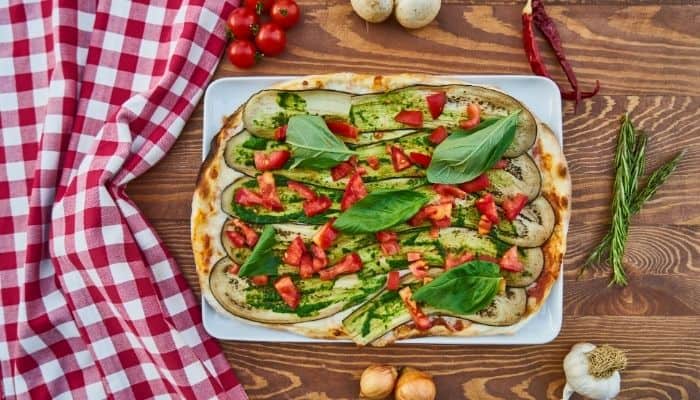
Vegetables appear in many familiar French expressions about money, failure, annoyance and dishonesty.
Raconter des salades
- Literal meaning: To tell salads
- Actual meaning: To tell lies or make up stories
- Example: Ne crois pas tout ce qu’il dit : il raconte souvent des salades. — Don’t believe everything he says: he often makes things up.
Les carottes sont cuites
- Literal meaning: The carrots are cooked
- Actual meaning: It is all over; the situation can no longer be changed
- Example: Nous avons raté le dernier train. Cette fois, les carottes sont cuites ! — We missed the last train. This time, it’s all over!
Mêle-toi de tes oignons (informal and blunt)
- Literal meaning: Mind your onions
- Actual meaning: Mind your own business
- Example: Cela ne te regarde pas, alors mêle-toi de tes oignons ! — That is none of your business, so keep your nose out of it!
Mettre du beurre dans les épinards
- Literal meaning: To put butter in the spinach
- Actual meaning: To improve your financial situation or earn some extra money
- Example: Ce petit travail le week-end nous aide à mettre du beurre dans les épinards. — This little weekend job helps us earn some extra money.
Ne pas avoir un radis (informal)
- Literal meaning: Not to have a radish
- Actual meaning: To have no money
- Example: Je ne peux pas sortir ce soir : je n’ai plus un radis. — I can’t go out tonight: I’m completely broke.
Être dans les choux (informal)
- Literal meaning: To be in the cabbages
- Actual meaning: To fail, be in difficulty or be completely off the mark
- Example: J’ai essayé de résoudre le problème, mais je suis complètement dans les choux. — I tried to solve the problem, but I’m completely lost.
Se prendre le chou (informal)
- Literal meaning: To take one’s cabbage
- Actual meaning: To overthink something or get worked up about it
- Example: Ne te prends pas le chou pour si peu ! — Don’t get worked up over something so small!
The related expression prendre le chou à quelqu’un means to annoy someone: Arrête de me prendre le chou ! (Stop bothering me!)
Un navet (informal)
- Literal meaning: A turnip
- Actual meaning: A very bad film, play or book
- Example: Nous sommes partis avant la fin : ce film était un vrai navet. — We left before the end: that film was really terrible.
For more vocabulary with yummy food, feel free to read our list of useful French phrases at the restaurant.

2. Sweet idioms in French with fruits
2.1 Well-known French fruit phrases and their interpretations
In addition, French uses fruit in many colorful sayings. For example, avoir la pêche means to feel great or be full of energy. It literally means “to have the peach.” Similarly, avoir la banane means to be happy, as if you have a banana.
Another common phrase is couper la poire en deux, which means to find a middle ground or compromise. It literally translates to “cut the pear in two.” This idiom is often used when two people share something fairly.
Some expressions show emotions: tomber dans les pommes means to faint or pass out. It literally says “fall in the apples.” When someone is very proud or full of themselves, they might be said to prendre le melon — “take the melon.”
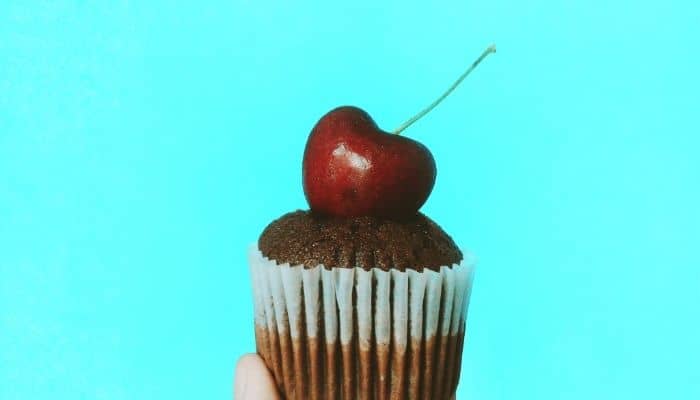
Other fruit idioms include c’est la cerise sur le gâteau, which means “the cherry on the cake.” This describes the final touch that makes something perfect.
2.2 Extra fruit phrases and what they signify
And here is a table of some common fruit idioms and their meanings :
| French Phrase | Literal Translation | Meaning |
|---|---|---|
| Etre haut comme trois pommes | High as three apples | Knee hight to a grass hoper |
| Compter pour des prunes | Count as plums | Count for nothing |
| Se fendre la poire | Split the pear | Have a good laugh |
| Porter ses fruits | Carry their fruits | Get results for your efforts |
| Etre rouge comme une tomate | Red as a tomato | Red as a beetroot |
| Ramener sa fraise | Bring back your strawberry | Stick your noise in, show off |
Would You Like to Use French Expressions More Naturally?
In my one-to-one French conversation lessons, you can practise expressions like these through discussions adapted to your level, interests and goals
3. Common French idioms with meals and other food
Food and wine inspire many French idioms too. For example, cracher dans la soupe means to insult the source of your help. It literally means “spit in the soup.” It is said about someone who is ungrateful.
Someone who is quick-tempered might be called soupe au lait, meaning “milk soup.” When someone gets angry, the saying avoir la moutarde qui monte au nez describes the feeling of mustard rising to the nose.
To dismiss someone rudely, the phrase va te faire cuire un œuf means “go cook yourself an egg,” and it works like “go away” or “get lost.”
Casser du sucre sur le dos de quelqu’un means to gossip about someone behind their back, and avoir un pépin says you have a problem, literally “have a pip.”
More examples include:
- En faire tout un fromage – to make a big deal out of something
- Avoir le cul bordé de nouilles – to be a lucky so-and-so
- Mettre de l’eau dans son vin – to soften one’s opinions or back down
- Faire la crêpe – to sunbathe
Crêpes also have an important place in French culture. Discover the traditions behind La Chandeleur, France’s crêpe day.

4. French Idioms with Bread and Money
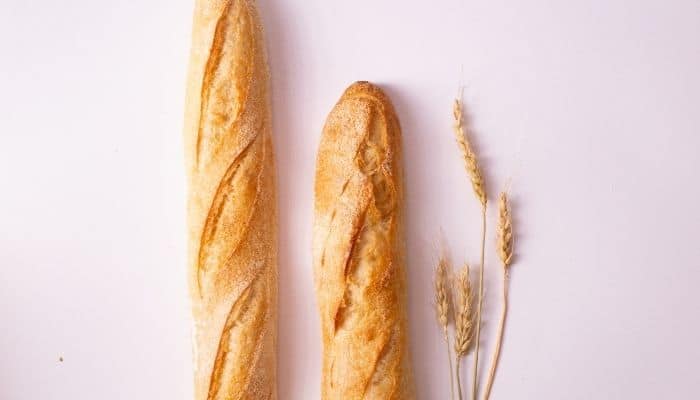
Bread has traditionally been a staple of daily life in France, so it is unsurprising that it appears in expressions about work, value and money.
Avoir du pain sur la planche
- Literal meaning: To have bread on the board
- Actual meaning: To have a lot of work or many tasks ahead of you
- Example: Nous devons terminer le projet avant vendredi : nous avons du pain sur la planche. — We have to finish the project before Friday, so we have a lot of work ahead of us.
Pour une bouchée de pain
- Literal meaning: For a mouthful of bread
- Actual meaning: For very little money; very cheaply
- Example: Ils ont acheté cette maison pour une bouchée de pain. — They bought that house for next to nothing.
Ne pas en perdre une miette
- Literal meaning: Not to lose a crumb of it
- Actual meaning: To listen or watch very attentively and not miss anything
- Example: L’histoire était passionnante et les enfants n’en ont pas perdu une miette. — The story was fascinating, and the children hung on every word.
Avoir du blé (slang)
- Literal meaning: To have wheat
- Actual meaning: To have money
- Example: Il faut avoir beaucoup de blé pour habiter dans ce quartier. — You need a lot of money to live in this neighbourhood.
Gagner son pain
- Literal meaning: To earn one’s bread
- Actual meaning: To earn a living
- Example: Elle gagne son pain en donnant des cours de musique. — She earns her living by teaching music.
Add Some Flavour to Your French
French food idioms can make everyday conversations more expressive, humorous and natural. Instead of trying to learn all of them immediately, choose a few favourites and practise using them in complete sentences.
Whether you are feeling energetic, trying to reach a compromise or describing a difficult day, there is probably a French food expression for the situation. Soon, phrases such as avoir la pêche, couper la poire en deux and avoir du pain sur la planche will begin to feel much more familiar.
Would you like to practise French expressions in conversations adapted to your level and interests?
Comments are closed.