
5 Unusual Museums in Paris Away from the Crowds
Paris is famous for the Louvre, the Musée d’Orsay and the Centre Pompidou, but the capital’s cultural life extends far beyond its best-known institutions. Smaller museums and unusual exhibition spaces can offer a more intimate experience, while revealing unexpected aspects of French art, history and everyday life.
My French students often ask me which museums I enjoy visiting in Paris. I have a particular fondness for photography exhibitions at places such as the Maison Européenne de la Photographie and the Jeu de Paume, but I also love discovering buildings with a strong atmosphere and collections that tell an original story.
If you are combining sightseeing with French classes in Paris, these five unusual museums will take you beyond the most familiar attractions and introduce you to a different side of the city.
1. Atelier des Lumières: Art on a Monumental Scale
Address: 38 rue Saint-Maur, 75011 Paris
Nearest metro: Rue Saint-Maur
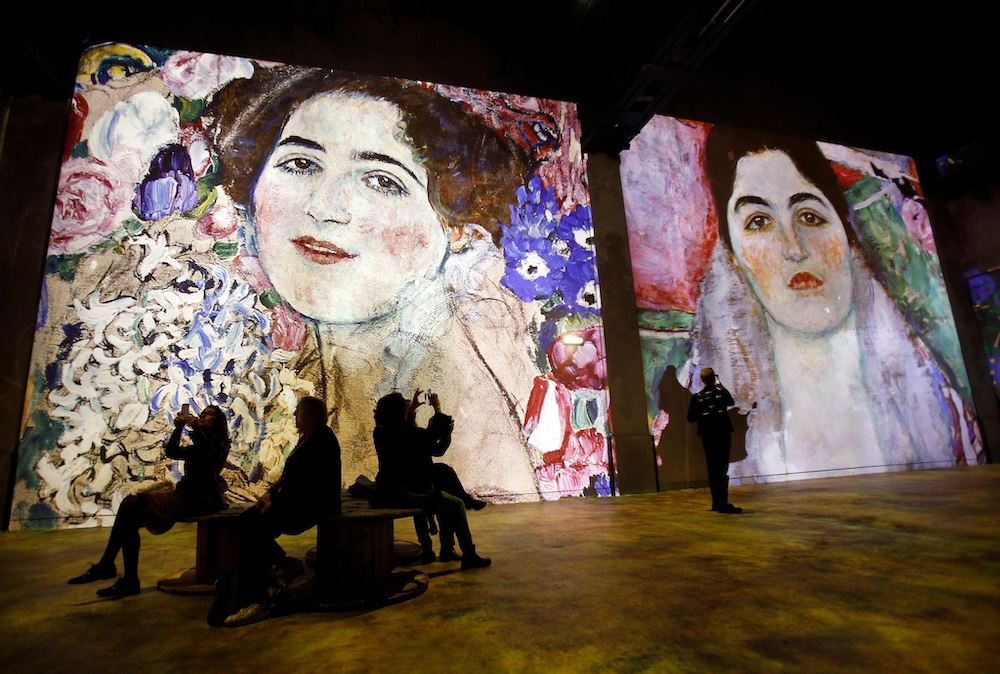
The Atelier des Lumières is not a traditional museum lined with framed paintings. It occupies a former nineteenth-century foundry that was transformed into a digital art centre. Images are projected across the walls and floor, while music and sound create a completely immersive experience.
The programme changes regularly and may focus on painters, cultural movements or more contemporary subjects. Rather than standing in front of a single artwork, visitors can walk through an evolving visual environment and notice new details from different parts of the room.
It is an accessible introduction to art for visitors who find conventional museums intimidating, and it can also be an enjoyable option for families. However, it is worth checking the current programme before booking, as each production has its own style and atmosphere.
Practical tip: Tickets are sold for specific time slots. Consult the official l’Atelier des Lumières before your visit. If you would like to continue exploring eastern Paris, discover what to do in the 20th arrondissement.
(photo © Caroline Léna Becker / Wikimedia Commons)
2. Musée Bourdelle: Sculpture, Studios and Peaceful Gardens
Address: 18 rue Antoine Bourdelle, 75015 Paris
Nearest metro: Falguière or Montparnasse–Bienvenüe
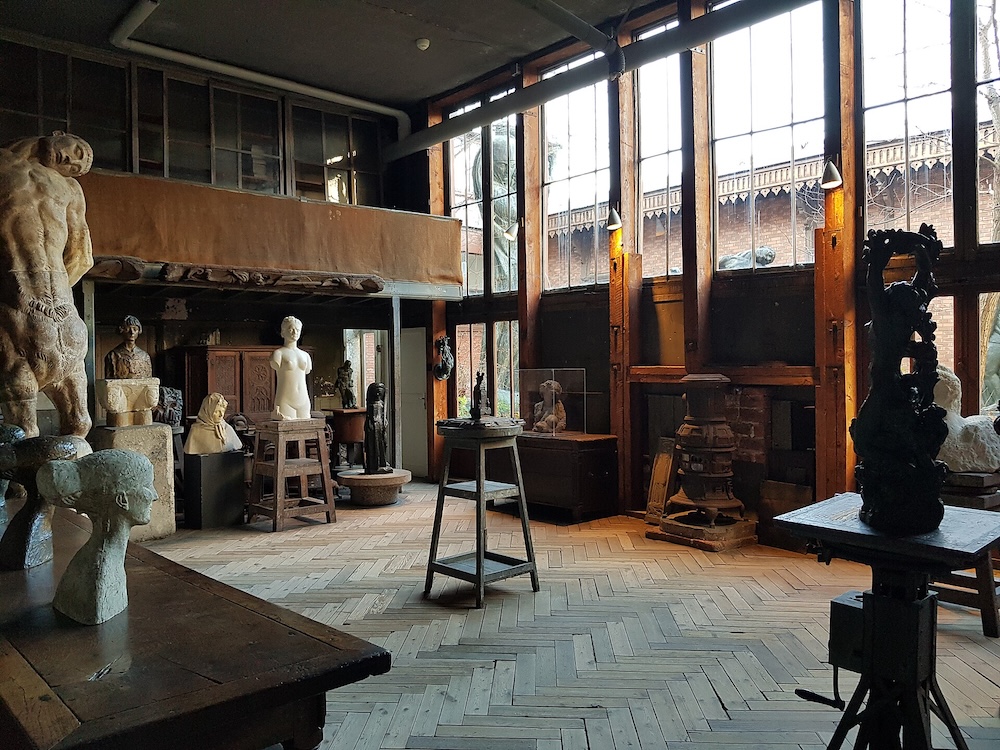
Located close to Montparnasse station, the Musée Bourdelle occupies the former home and studios of sculptor Antoine Bourdelle. He worked with Auguste Rodin and later became an influential teacher. The museum brings together monumental sculptures, bronzes, plasters, paintings, drawings and personal objects.
The original studios are one of the most interesting parts of the visit. They allow you to imagine how the artist worked and provide a more personal setting than a large gallery. The contrast between the intimate rooms, the high sculpture halls and the outdoor works gives the museum a distinctive character.
I particularly enjoy visiting in spring or summer, when you can walk through the gardens and see the sculptures surrounded by greenery. The museum also has a café-restaurant, making it an appealing place for a peaceful break away from the busiest parts of Paris.
Practical tip: Admission to the permanent collection is generally free, while temporary exhibitions may require a ticket. Check the official Musée Bourdelle website for current information.
(photo © Arthur Crbz / Wikimedia Commons)
3. Musée des Arts Forains: Step Inside a Belle Époque Fairground
Address: 53 avenue des Terroirs de France, 75012 Paris
Nearest metro: Cour Saint-Émilion
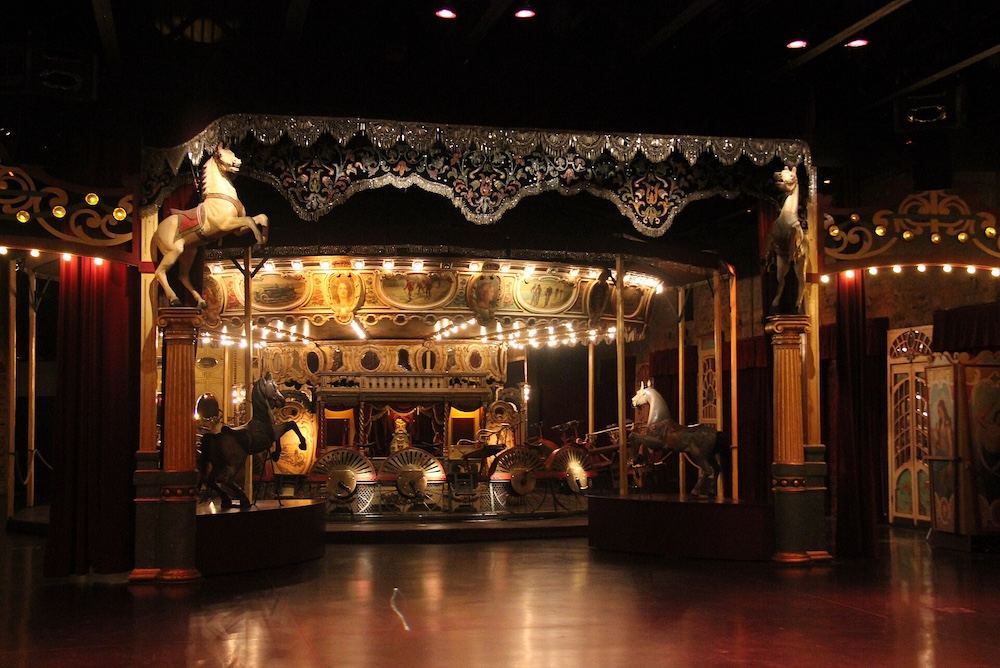
The Musée des Arts Forains, or Museum of Fairground Arts, is housed in the former wine warehouses of Bercy. This atmospheric setting contains a remarkable collection of objects connected with fairgrounds and the performing arts of the nineteenth and twentieth centuries.
The experience is divided across several theatrical spaces. Depending on the tour, you may discover the Théâtre de Verdure and its gardens, the Venetian Salons, the cabinets of curiosities inside the Théâtre du Merveilleux, or the Magic Mirror, a ballroom inspired by the Roaring Twenties.
This is not a museum where visitors simply read labels and look through glass cases. Guided visits combine storytelling, performances and historic attractions. Some tours may even give visitors the opportunity to experience old games or carousels, bringing the collection to life.
It is a particularly memorable choice for families, but adults interested in design, popular entertainment or unusual interiors will also find plenty to enjoy.
Practical tip: You cannot usually arrive without planning ahead. Individual visits take place through guided tours and must be reserved in advance on the official Musée des Arts Forains website.
(photo © Laika ac / Wikimedia Commons)
Want to Feel More Confident Speaking French in Paris?
Exploring museums, cafés and neighbourhoods becomes even more rewarding when you can use French with confidence. I offer personalized French lessons to help you communicate more naturally and make the most of your time in Paris.
4. Musée Gustave Moreau: An Artist’s Private World
Address: 14 rue de La Rochefoucauld, 75009 Paris
Nearest metro: Saint-Georges or Trinité–d’Estienne d’Orves
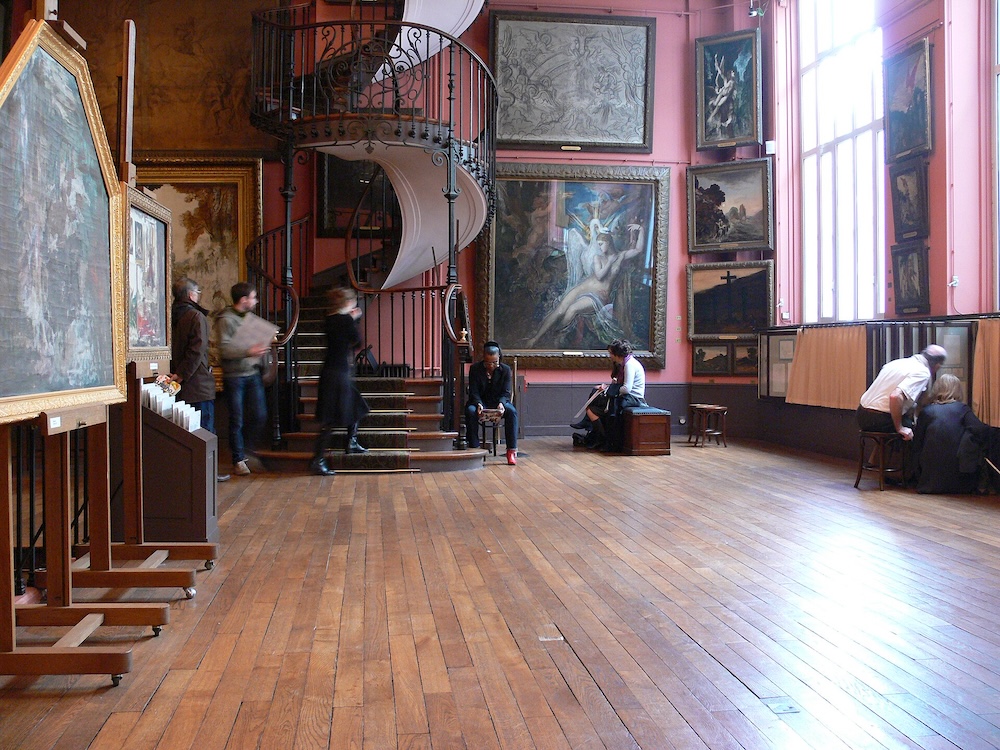
The Musée Gustave Moreau is located in the Symbolist painter’s former family home, not far from Montmartre. The building combines domestic rooms with the vast studios Moreau designed to display his work.
On the lower floor, the reception room, bedroom, boudoir and dining room preserve the atmosphere of a nineteenth-century residence. Higher up, the large studios contain paintings, watercolours and drawings filled with mythological, biblical and literary references.
The famous spiral staircase connecting the studios has become one of the museum’s most photographed features. Yet the building still feels like a private world: richly decorated, slightly mysterious and remarkably different from the white galleries of a modern museum.
This is an excellent choice if you prefer artists’ homes and atmospheric interiors to enormous collections. You can explore it at a gentle pace without trying to see hundreds of rooms in a single visit.
Practical tip: Access to some of the smaller domestic rooms may depend on visitor numbers. Consult the official Gustave Moreau website and consider booking ahead.
(photo © Andreas Praefcke / Wikimedia Commons)
5. Le M. Musée du Vin: French Heritage Beneath the Streets of Paris
Address: 5 square Charles Dickens, 75016 Paris
Nearest metro: Passy
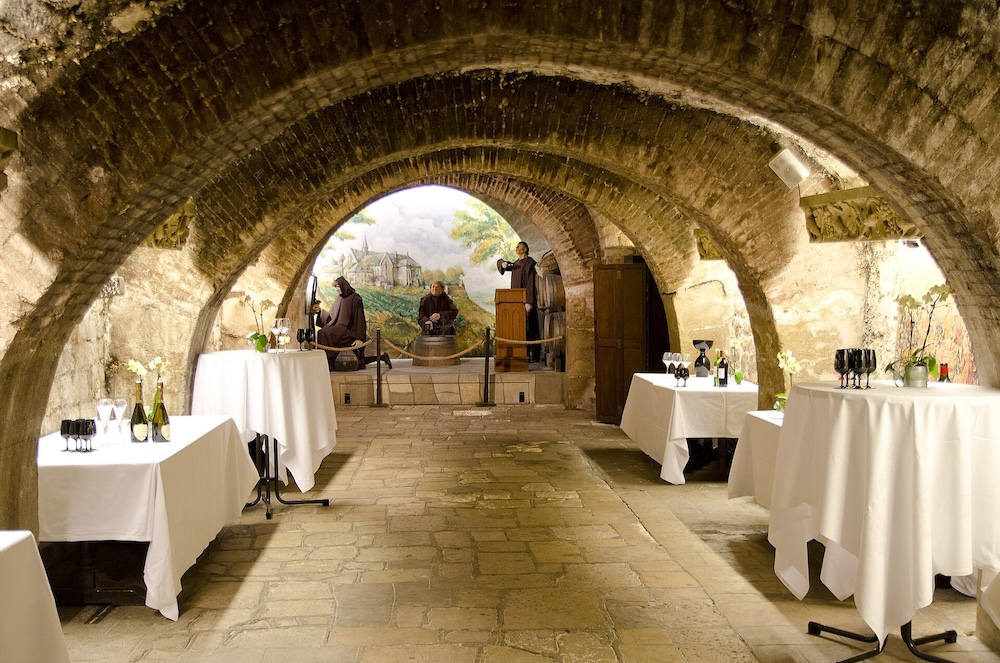
Hidden near the Eiffel Tower, Le M. Musée du Vin occupies atmospheric vaulted cellars once connected with the convent of the Minims of Passy. These underground galleries later served several purposes before becoming a museum dedicated to French wine heritage.
The collection contains more than 2,000 objects linked to vineyards, winemaking and wine service. Historical tools, bottles, glasses and reconstructed scenes introduce the skills and traditions behind one of the best-known aspects of French gastronomy.
The venue also offers a restaurant, tasting sessions and cultural events. These activities have their own programmes, so it is important to check what is available on the day you intend to visit. Even if you are not a wine specialist, the cellars themselves and the history of French craftsmanship make the museum an original stop.
Practical tip: Check the official Le M. Musée du Vin website for museum visits, tastings and reservations. To continue your exploration of French gastronomy, discover my selection of the best pâtisseries in Paris.
(photo © MDV Olivier / Wikimedia Commons)
6. Which Unusual Paris Museum Should You Choose?
Choose the Atelier des Lumières for an immersive visual experience, the Musée Bourdelle for art and peaceful gardens, or the Musée des Arts Forains for an interactive and theatrical visit. The Musée Gustave Moreau offers a more intimate glimpse into an artist’s world, while Le M. Musée du Vin explores French wine heritage inside historic cellars.
If you enjoy discovering quieter cultural places in the capital, explore these language bookstores in Paris that French learners will love.
Ready to Use Your French with Greater Confidence?
My private French lessons are adapted to your level, interests and personal goals, helping you connect what you learn with real situations and cultural experiences.
Comments are closed.