French Traditions and Holidays Every New Expat Should Know
Moving to France is more than packing bags or memorizing verb conjugations. Life here follows centuries of traditions and celebrations. Many expats take private online French lessons to boost confidence in conversations and navigate daily life in France with ease.
Understanding French traditions and holidays makes life smoother and more enjoyable.
This guide covers the key French traditions every expat should know. You’ll find tips, vocabulary, and insights to blend in confidently while learning French and experiencing France like a local.

1. Public Holidays in France: Why Life Suddenly Slows Down
Public holidays (jours fériés) play a big role in French life. Shops, schools, and offices often close, giving people time to rest or spend with family. Knowing the main holidays helps you plan ahead and avoid surprises.
French public holidays to know
Here’s a quick guide to the key public holidays in France you’ll see every year:
| Holiday | French Name | Date |
|---|---|---|
| New Year’s Day | Jour de l’An | January 1st |
| Easter Monday | Lundi de Pâques | Date varies |
| Labor Day | Fête du Travail | May 1st |
| Victory in Europe Day | Fête de la Victoire 1945 | May 8th |
| Ascension Day | Jour de l’Ascension | Date varies |
| Whit Monday | Lundi de Pentecôte | Date varies |
| Bastille Day | Fête Nationale | July 14th |
| Assumption of Mary | Assomption | August 15th |
| All Saints’ Day | La Toussaint | November 1st |
| Armistice Day | Jour d’Armistice | November 11th |
| Christmas Day | Noël | December 25th |
Make the bridge: Faire le pont
The French phrase “faire le pont” means “to make the bridge.” It refers to taking an extra day off when a holiday falls on a Tuesday or Thursday.
By adding Monday or Friday, people create a long weekend. Offices, schools, and shops may close, and travel gets busy.
Understanding faire le pont is key for expats planning daily life or appointments.
2. New Year’s Eve: La Saint-Sylvestre
In France, La Saint-Sylvestre is celebrated with festive dinners, champagne, and gatherings of friends and family that often last past midnight.
Many people enjoy a special meal called le réveillon, featuring oysters, foie gras, and desserts, before toasting the New Year together. At midnight, it’s tradition to exchange kisses on the cheek and say “Bonne année !”. While big cities sometimes host fireworks, the celebration is usually more about sharing food, conversation, and joy as the New Year begins.
Fun twist: the French often send New Year wishes throughout January, not just on the 1st.
Useful vocabulary:
-
Le réveillon du Nouvel An — New Year’s Eve dinner
-
Bonne année ! — Happy New Year
-
Trinquer — to toast with drinks
3. Easter in France: Bells, Chocolate & Family Time
Easter in France (Pâques) is a blend of faith, family, and tradition.
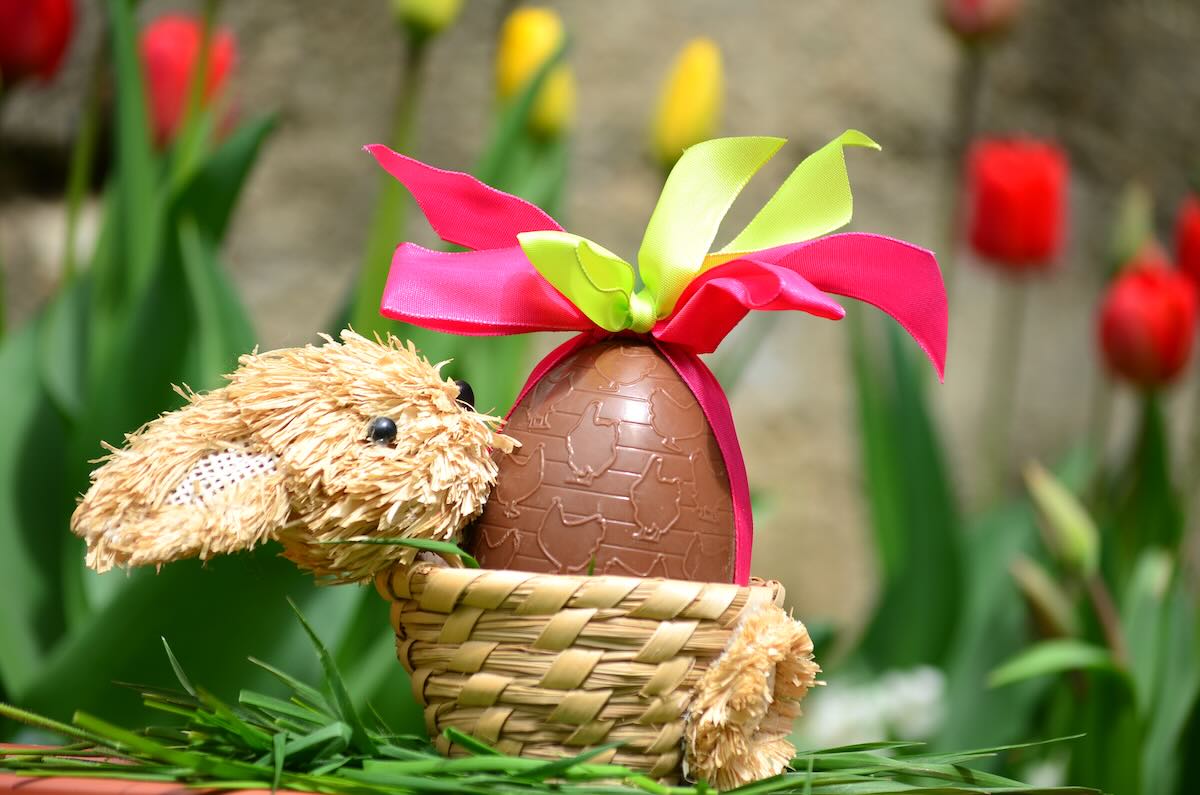
Children search for chocolate delights in gardens, leading to joyful egg hunts. Families usually celebrate with a long Sunday lunch — often featuring roast lamb, seasonal vegetables, cheese, and (of course) plenty of chocolate. Because Easter Monday is a public holiday, many people also enjoy a relaxing long weekend.
If you’d like to go deeper into French Easter traditions, read my guide: How to Talk About Easter in French. It’s perfect for learners, expats, and anyone curious about celebrating Pâques in France.
4. Labor Day: Flowers, Strikes, and Closed Doors
May 1st — La Fête du Travail — celebrates workers’ rights. Cities host peaceful marches and demonstrations. Families exchange lily of the valley (muguet) for good luck. Shops, offices, and public services are closed. Planning ahead is essential because almost everything stops on this holiday.
Vocabulary:
-
Fête du Travail — Labor Day
-
Muguet (m) — lily of the valley
-
Manifestation (f) — demonstration
5. Victory in Europe Day: 8th May
In France, May 8th — Victory in Europe Day (La Fête de la Victoire 1945) — marks the end of World War II in Europe.
The day honors those who fought for liberation. Across the country, mayors and veterans lay wreaths at monuments aux morts. The French flag is displayed everywhere. Schools, banks, and many businesses close, giving families time to attend ceremonies or enjoy a quiet day.
Expats should know this holiday to appreciate France’s culture of remembrance.
Vocabulary:
- La Victoire 1945 — Victory in Europe Day
- Commémoration (f) — commemoration
- Monument aux morts (m) — war memorial
6. Ascension Day: Jour de l’Ascension
Ascension Day (L’Ascension) is a public holiday celebrated 40 days after Easter. It honors the Christian belief that Jesus ascended to heaven.
Many people attend church services, while others enjoy a long weekend. Shops, schools, and offices are often closed. It’s also a popular time for short trips or family outings.
7. Whit Monday: Lundi de Pentecôte
Another bank holiday in spring is Lundi de Pentecôte (Whit Monday). It’s celebrated the day after Pentecost, seven weeks after Easter. Traditionally, it marks the descent of the Holy Spirit in Christian belief.
8. Bastille Day: France’s Big Celebration
Bastille Day on July 14 is France’s national day, celebrating the French Revolution.
It’s festive, proud, and a fantastic time to observe French community spirit. The day features military parades, fireworks, and public dances (bals des pompiers). Shops and offices may close, especially in smaller towns.
Vocabulary:
-
Fête Nationale (f) — Bastille Day
-
Défilé militaire (m) — military parade
-
Feux d’artifice (m) — fireworks
- Bal des pompiers (m) — lively fire-station dances
9. Assumption of Mary: Assomption
Assomption honors the Virgin Mary being taken to heaven. Many attend church services, while others enjoy a day off with family.
10. La Toussaint: A Time to Remember
La Toussaint is a day to remember deceased relatives. Families visit cemeteries and place chrysanthemums on graves. It’s a quiet, reflective public holiday.
11. Armistice Day: 11th November
Armistice Day commemorates the end of World War I. Ceremonies are held at war memorials, flags are displayed, and schools and offices close. It’s a solemn day of remembrance across France.
12. Christmas in France: Cozy & Culinary
France’s holiday season is full of simple, heart‑warming traditions.
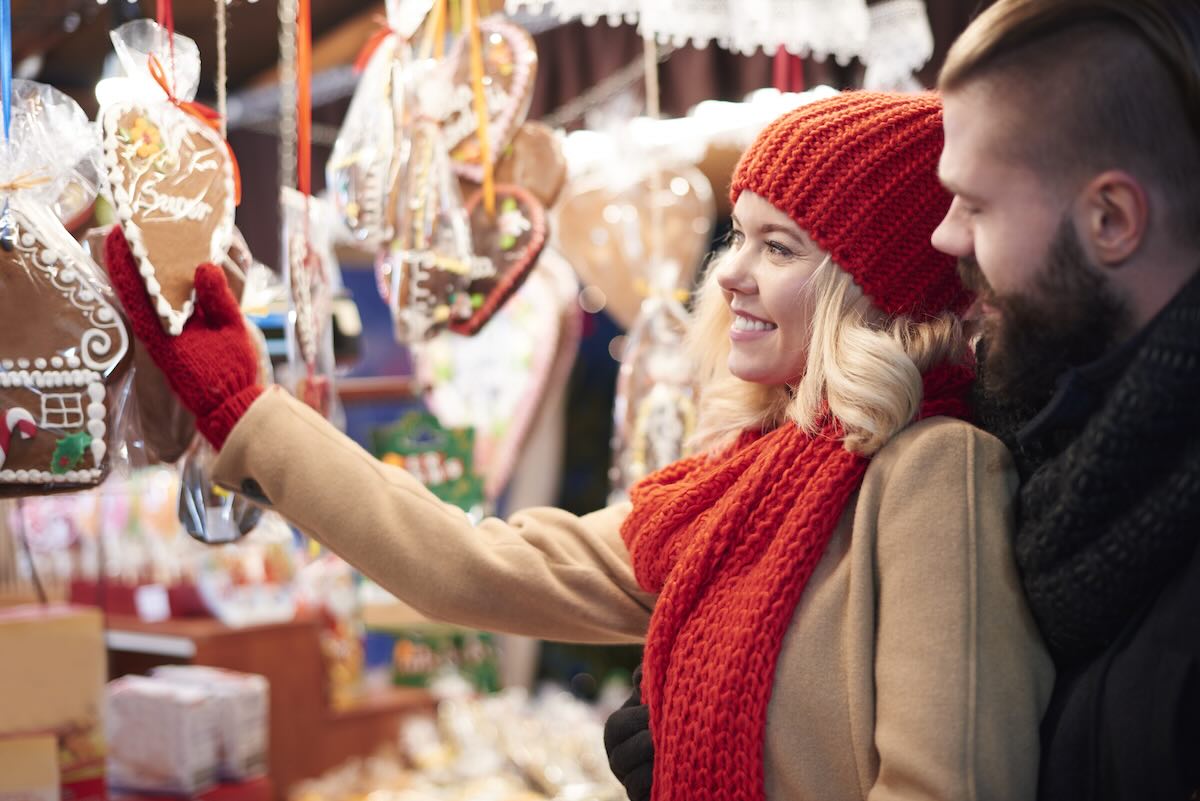
You’ll find charming Christmas markets (marchés de Noël) filled with artisanal treats and festive atmosphere. Generally locals sip vin chaud and browse handcrafted gifts. Families come together for extended dinners — frequently showcasing indulgent appetizers such as oysters, foie gras, and smoked salmon.
Then, the feast transitions to turkey and various other treats.We then finish with the iconic bûche de Noël cake for dessert.
Rather than big flashy displays, the atmosphere is more intimate and centered on food, conversation, and togetherness.
For a deeper dive into holiday vocabulary and phrases, check out my French Christmas Vocabulary on French With Agnes.
13. Working on bank holidays in France: What are the rules?
In France, the requirement for employees to work on bank holidays varies based on several factors. The differences can depend on the kind of business, its geographical area, and the particular agreements made between employers and employees.
- General rule: Usually, employees are not obligated to work on bank holidays. Nevertheless, there are exceptions, especially in industries like hospitality, healthcare, and retail, where operations may be necessary on these days.
- May 1st – Labor Day: This is the sole bank holiday in France that is compulsory for all workers. This mean no one can be asked to work unless they are in sectors that require continuous service. This is the case for hospitals or public transport). And those who do work on this day are entitled to double pay.
- Regional differences: In regions like Alsace-Moselle, additional holidays such as Good Friday and St. Stephen’s Day are recognised. Therefore employees may have the day off depending on their employment contracts and local regulations.
- Company agreements: In some cases, company-wide agreements or collective bargaining agreements may specify that certain employees must work on bank holidays. Often they get additional pay or compensatory time off.
14. Other Traditions That Hold Significance Too
January’s Sweet Start: Galette des Rois
To celebrate Epiphany, families share the Galette des Rois — a flaky almond pastry or a flavourful brioche hiding a tiny charm called la fève. Whoever finds it:
- becomes “king” or “queen,”
- wears a paper crown,
- and usually hosts next year.
It’s joyful, communal, and very French
If you’d like to learn the traditions, vocabulary, and recipe variations, read my full guide: Galette des Rois: The French King Cake Tradition.
La Chandeleur : Crêpes Everywhere
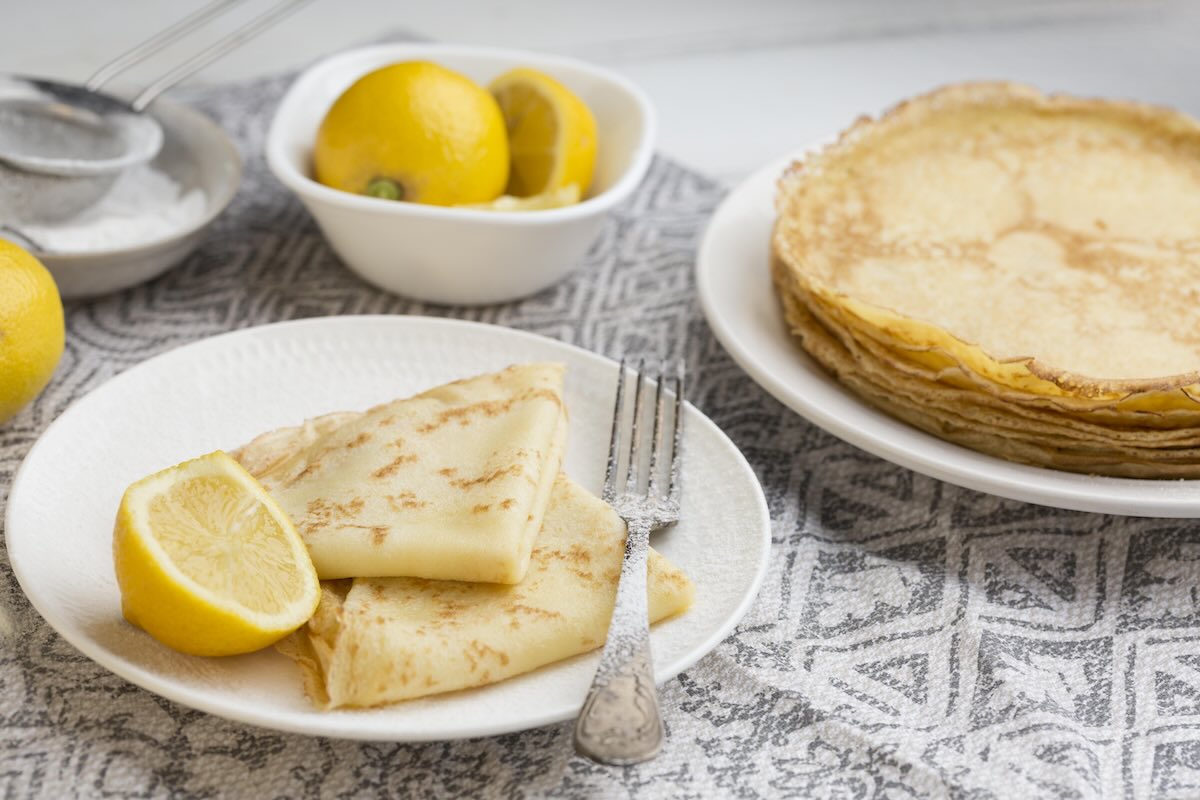
February 2 is La Chandeleur — basically a national crêpe festival. If you’re curious about the traditions and fun superstitions behind it, Llarn more about this French holiday: Enjoy La Chandeleur, the Delicious Crêpe Day.
Tradition says flipping your crêpe while holding a coin brings good luck. Whether or not it works… you still get crêpes. So everyone wins!
21st of June: La Fête de la Musique
It’s not a public holiday but rather a nationwide music festival held every year on June 21 (the summer solstice).
The spirit of the day:
-
Most of the events are free
-
Open-air stages
-
Bars and restaurants spill onto the streets
-
People wander around listening to different styles
Professional bands, teenagers with guitars, orchestras, DJs — everyone is encouraged to play in the streets, parks, cafés, and public squares.
La Rentrée: The Real Beginning of the Year
September marks la rentrée — the moment schools reopen, activities restart, and life picks up again.
For expats, it’s the perfect time to :
- join local classes
- sign up for sports or hobbies
- practice French and meet people
It feels like a fresh start, even for adults.
15. Practical tips to enjoy expat life in France
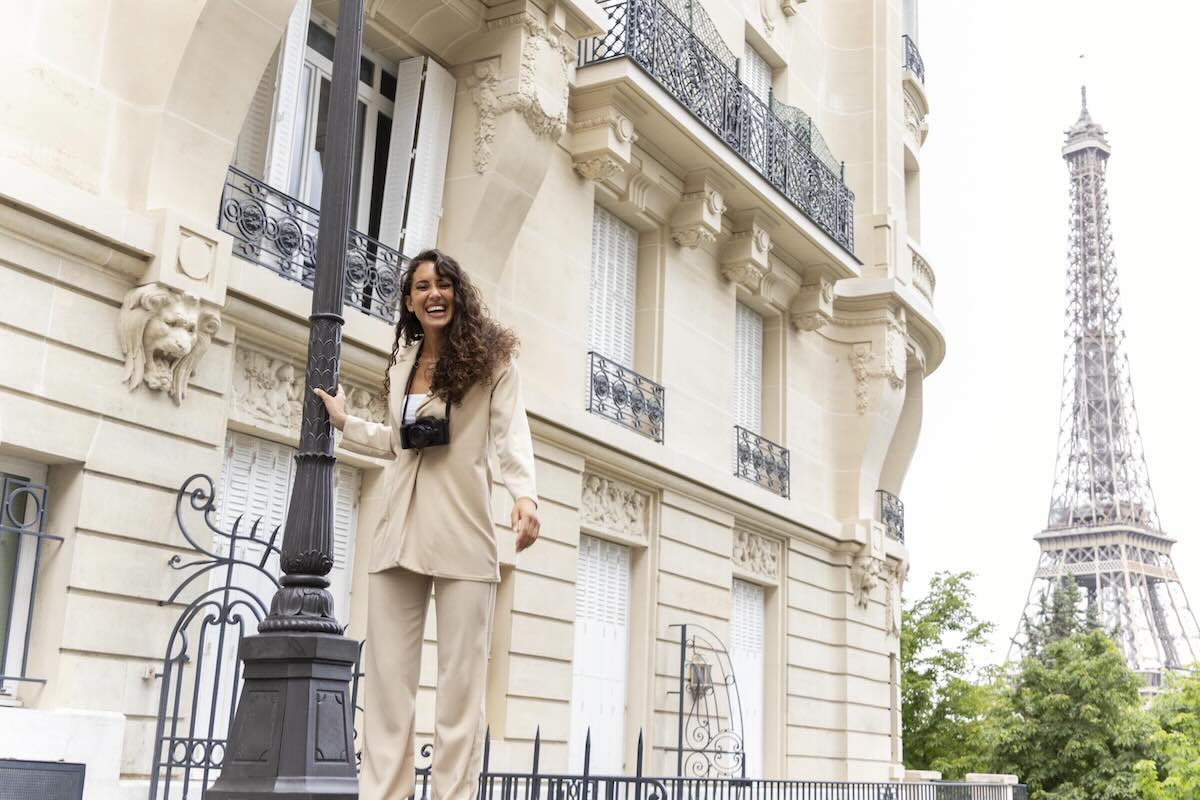
Understanding French holidays (les jours fériés) is part of learning the real rhythm of expat life in France. Therefore you could try to :
-
Add French public holidays to your calendar so you can plan work, school, and travel smoothly.
-
Ask locals questions — they love sharing the stories behind their traditions.
-
Say yes to invitations for family meals, festivals, or neighborhood gatherings.
-
Learn key French vocabulary linked to major holidays to feel more confident in conversations.
Want Some Help Feeling at Home in France?
As a private French tutor, I love helping expats:
✔️ feel confident in daily conversations
✔️ understand cultural nuances
✔️ ask questions without feeling embarrassed
With personalized French lessons for expats, France becomes less mysterious — and more like home. Book your private French tutoring sessions today!