15 Best Movies to Learn French: A Guide for Every Level
Watching French movies is an enjoyable way to become more familiar with spoken French. Films expose you to natural pronunciation, everyday expressions and different ways of speaking, while also introducing you to French culture.
They can be particularly useful alongside French conversation classes, where you can practise using the expressions you hear and become more confident speaking French. However, choosing the right film matters: some feature clear, carefully paced dialogue, while others include fast conversations, slang or regional accents.
Below, you’ll discover 15 French movies arranged from relatively easy to more challenging. These categories are only a guide, as no full-length film is truly easy for a complete beginner. If you are just starting out, choose a story you already know and use subtitles to support your understanding.
1. French Movies At A Glance
| Movie | Particularly useful for | What may be challenging |
|---|---|---|
| Les Choristes | Clear speech and school vocabulary | Historical setting |
| Coco avant Chanel | Careful pronunciation and descriptive language | Period vocabulary |
| La Grande Vadrouille | Clear diction and French cultural references | Older expressions |
| La Famille Bélier | Family, school and everyday vocabulary | Lively comic exchanges |
| Ensemble, c’est tout | Relationships and daily conversations | Informal speech |
| L’Arnacœur | Modern conversation and emotions | Fast dialogue |
| L’Auberge espagnole | Informal French and multicultural life | Several languages and speakers |
| Cloclo | Biography, music and professional life | Changes of period and register |
| Dalida | Emotions, relationships and the music industry | Varied accents and settings |
| Intouchables | Everyday French and differences in register | Slang and rapid humour |
| LOL | Contemporary teenage French | Slang and very fast speech |
| La Môme | French history, music and biography | Non-linear story and expressive speech |
| Les Petits Mouchoirs | Natural conversations between friends | Overlapping dialogue and idioms |
| Le Prénom | Argument, humour and family relationships | Wordplay and rapid exchanges |
| De rouille et d’os | Emotional and contemporary spoken French | Colloquial language and intense themes |
2. Why Learn French Through Movies?
Movies help you hear French as it is naturally used in context. Facial expressions, actions and the storyline provide clues even when you do not understand every word. You can also observe how pronunciation, vocabulary and tone change according to a character’s age, background and relationships.
Films work best as a complement to active study. Grammar and vocabulary give you the foundations of the language, while movies help you recognize them in natural speech. If you prefer shorter formats and recurring characters, French series can be another enjoyable way to develop your listening skills.
3. Relatively Easy French Movies to Start With
These films generally have clear storylines or passages of carefully articulated French. They can be good starting points for learners, particularly when watched with subtitles. For more family-friendly recommendations, you can also explore these movies to enjoy with kids while boosting your French skills.
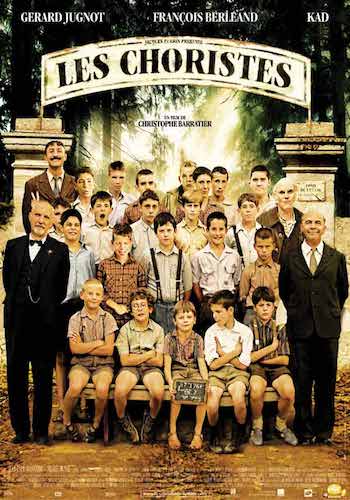
Les Choristes (The Chorus)
Set in a boarding school in 1949, Les Choristes (The Chorus) follows a new supervisor who decides to form a choir for a group of troubled boys. The story is emotional but easy to follow, and music plays an important role throughout the film.
For French learners, one of its main advantages is its relatively measured dialogue. You will hear vocabulary connected with school, discipline, music, childhood and emotions. As the film is set in the past, a few expressions may sound more formal or old-fashioned, but the clear storyline provides plenty of context.
Why watch it? For clear pronunciation and a gentle introduction to a classic French film.
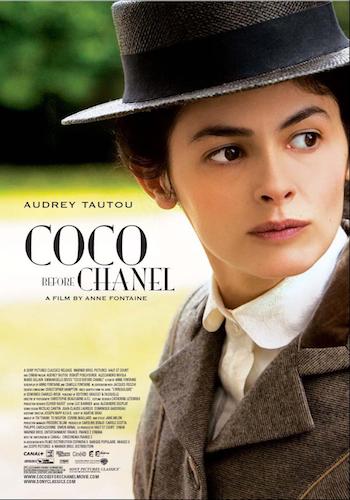
Coco avant Chanel (Coco before Chanel)
The biographical drama Coco avant Chanel explores Gabrielle Chanel’s early life before she became one of the most influential figures in French fashion. Rather than concentrating only on her success, the film shows her ambitions, relationships and determination to create an independent life.
Much of the dialogue is calm and carefully delivered, making individual sentences easier to distinguish. Learners can pick up vocabulary related to clothes, social class, work and personal aspirations. The historical setting introduces some formal expressions, so subtitles may still be helpful.
Why watch it? For measured speech and vocabulary connected with fashion, society and ambition.
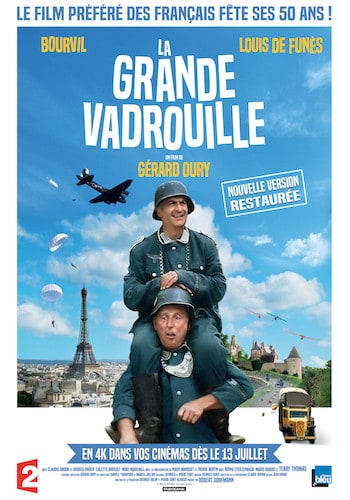
La Grande Vadrouille (Don't Look Now... We're Being Shot At!)
In the much-loved French comedy, La Grande Vadrouille, two very different Frenchmen help British airmen escape through German-occupied France during the Second World War. The visual comedy and eventful plot make the story possible to follow even when some of the language is unfamiliar.
The actors generally articulate clearly, but learners will also encounter older expressions and references to wartime France. The film is particularly interesting from a cultural perspective, as it remains an important classic of popular French cinema.
Why watch it? For expressive but clear dialogue, visual humour and French cultural references.
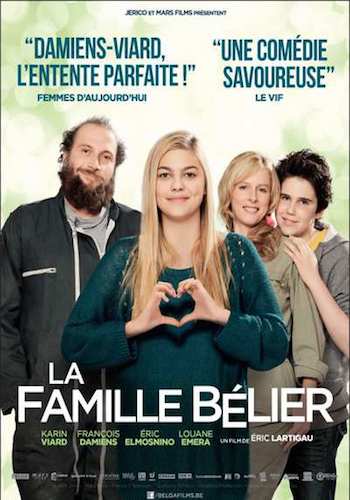
La Famille Bélier (The Bélier Family)
Paula is the only hearing member of her deaf family and plays an essential role in their daily lives. When her music teacher discovers her talent for singing, she must decide whether to pursue her own ambitions away from home.
The film La Famille Belier includes useful vocabulary about family, school, farming, music and growing up. Many situations are familiar and supported by strong visual context. Some comic conversations are fast, but the central story remains straightforward and the songs give the film a natural rhythm.
Why watch it? For accessible everyday situations and vocabulary related to family and school life.
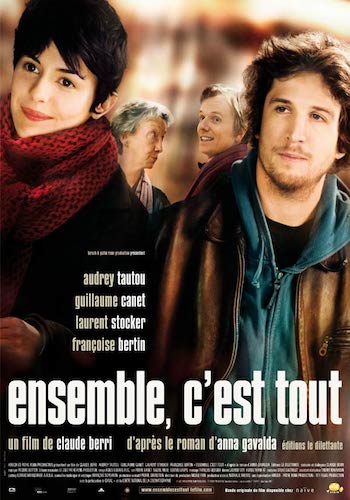
Ensemble C’est Tout (Hunting and Gathering)
Based on Anna Gavalda’s novel, Ensemble C’est Tout brings together four people whose lives gradually become intertwined. The film explores friendship, loneliness, love and the unexpected forms a family can take.
Because the story focuses on ordinary relationships, it contains many conversations about daily routines, work, health and feelings. The language is modern and often informal, but the quiet pace of many scenes gives learners time to follow the interactions.
Why watch it? For natural conversations about relationships, emotions and everyday life.
Want to Feel More Confident Speaking French?
French movies can help you understand natural conversations, but speaking regularly is essential if you want to use the language more confidently. Through personalized online lessons, you can practise at your own pace and focus on the situations that matter to you.
4. French Movies for More Confident Learners
The following films contain more informal expressions, faster exchanges or shifts between different styles of French. They are particularly rewarding once you can follow the main idea of an everyday conversation without translating every sentence.
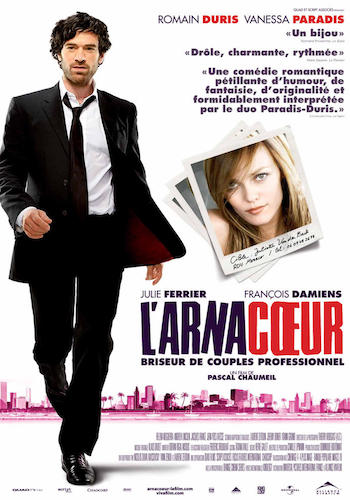
L'Arnacoeur (Heartbreaker)
Alex has an unusual profession: he is hired to break up relationships. His latest assignment involves a woman who appears perfectly happy and is about to get married, making his mission far more complicated than expected.
The romantic comedy L’Arnacoeur offers plenty of modern conversational French. You will hear language connected with love, personality, persuasion, travel and social situations. The plot is easy to understand, although the quick banter and humorous exchanges can require concentration.
Why watch it? For modern spoken French and useful expressions about relationships and emotions.
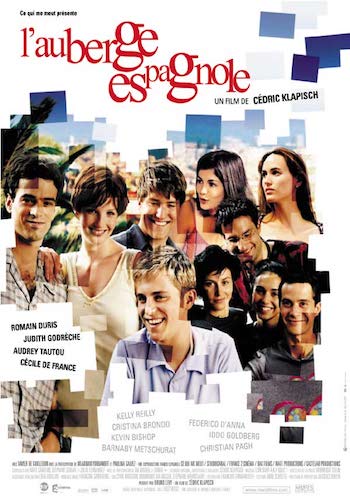
L'Auberge Espagnole (The Spanish Apartment)
Xavier leaves France to spend a year studying in Barcelona, where he shares an apartment with students from several European countries. The experience introduces him to new friendships, cultural differences and a much less predictable way of life.
The film L’Auberge Espagnole is valuable for learners because it presents informal French in a youthful, international setting. It includes vocabulary connected with travel, university, flat-sharing and relationships. Several languages are spoken, and group conversations can become lively, so it is better suited to viewers who are already comfortable following everyday French.
Why watch it? For informal language, student life and a glimpse of European culture.
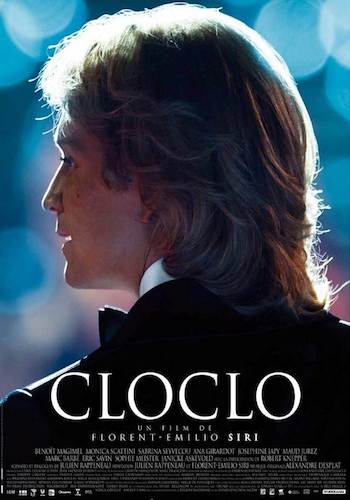
Cloclo (My Way)
Cloclo traces the life and career of Claude François, one of France’s most famous popular singers. It follows his rise to fame as well as the ambition, perfectionism and personal difficulties that shaped his life.
The film introduces vocabulary related to music, performance, work, success and family relationships. Because the story covers several periods and many areas of Claude François’s life, the language varies between private conversations and professional settings.
Why watch it? For a combination of cultural history, music and different conversational registers.
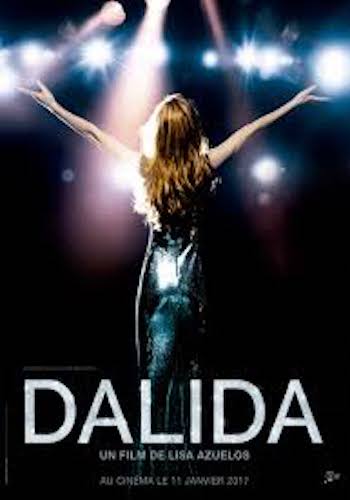
Dalida
This biographical drama portrays the life of Dalida, from her childhood in Cairo to her international career as a singer. Behind her public success, the film explores her relationships, loneliness and search for happiness.
Learners will hear French used in personal, professional and artistic contexts. The changes of country, period and social setting expose viewers to different voices and accents. Familiarity with Dalida’s music and story can make the film easier to follow.
Why watch it? For emotionally expressive French and vocabulary related to fame, music and relationships.
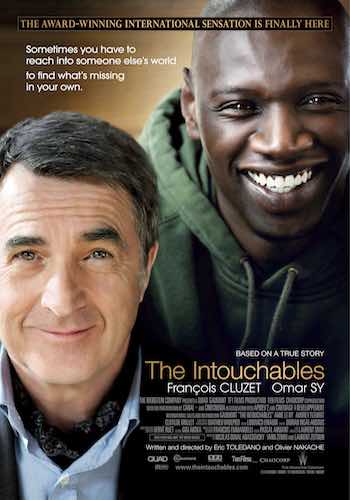
Intouchables (The Untouchables)
After a paragliding accident leaves Philippe paralysed, he hires Driss as his caregiver. The friendship that develops between the two men brings together very different personalities, backgrounds and ways of speaking.
This contrast makes Intouchables particularly useful for language learners. Philippe often speaks in a more formal register, whereas Driss uses relaxed, colloquial French and slang. The humour can be fast, but the film Intouchables offers an excellent opportunity to hear how register changes according to the speaker and situation.
Why watch it? For everyday French, humour and a clear contrast between formal and informal speech.
5. More Challenging French Movies
These films feature rapid dialogue, slang, overlapping conversations, wordplay or more complex storytelling. You do not need to understand everything to enjoy them, but French subtitles will make the experience more productive. If you want to explore informal language further, discover these French phrases to sound like a native speaker.
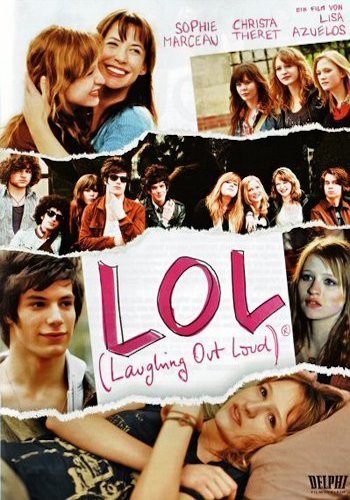
LOL (Laughing Out Loud)
LOL explores the life of a Parisian teenager as she navigates friendships, first love, school and a sometimes difficult relationship with her mother. It provides a snapshot of teenage life and communication between generations.
The film contains contemporary informal French, abbreviations and teenage slang. Characters often speak quickly and do not always articulate every sound clearly, just as people do in real life. This makes the film challenging, but also useful for learners who want exposure to youthful conversational French.
Why watch it? For teenage slang, natural pronunciation and modern informal expressions.
La Môme (La Vie en Rose)
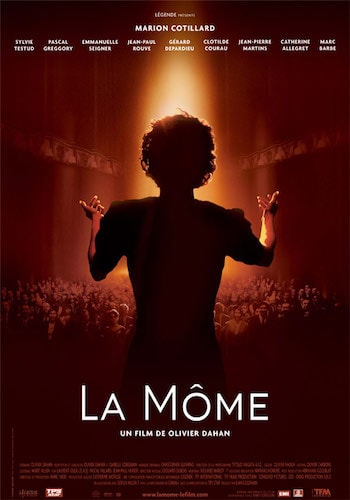
Marion Cotillard portrays Édith Piaf in the biographical film La Môme about the singer’s extraordinary and often painful life. The story moves between different stages of her career, childhood and relationships rather than following a simple chronological structure.
Viewers will encounter vocabulary connected with music, performance, love, illness and twentieth-century France. The emotional delivery, historical language and changes in timeline make the film relatively demanding. Knowing a little about Piaf’s life beforehand can help considerably.
Why watch it? For expressive French, musical culture and an introduction to an iconic figure in French history.
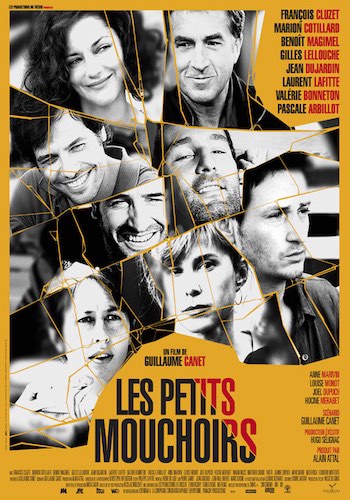
Les Petits Mouchoirs (Little White Lies)
A group of friends decide to continue with their annual holiday after one of them is seriously injured in an accident. As they spend time together, tensions, secrets and unresolved feelings gradually surface.
The film Les Petits Mouchoirs offers a realistic portrayal of the way close friends communicate. Conversations are informal, emotional and sometimes overlap, with frequent jokes, idiomatic expressions and unfinished sentences. This is excellent exposure to natural spoken French, although it can be difficult to follow without subtitles.
Why watch it? For authentic group conversations, friendship vocabulary and everyday idioms.
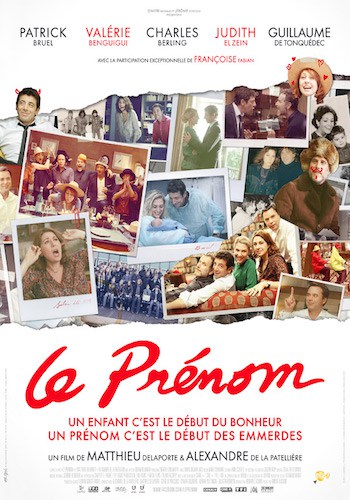
Le Prénom (What’s in a Name)
A family dinner descends into conflict when one guest reveals the name he intends to give his future son. What begins as a provocative joke soon brings old disagreements and hidden resentments to the surface.
As most of the film Le Prénom revolves around one long conversation, language is at the centre of the story. The characters interrupt one another, argue, joke and use irony and wordplay. It is an excellent film for studying tone and conversational dynamics, but the rapid exchanges make it one of the more challenging choices on this list.
Why watch it? For arguments, humour, irony and the language of family relationships
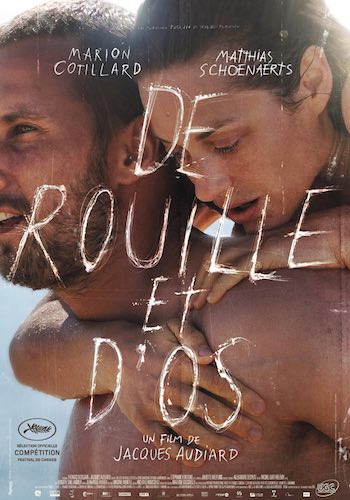
De Rouille et d'Os (Rust and Bone)
Stéphanie, a killer-whale trainer, experiences a life-changing accident and develops an unexpected relationship with Ali, a man struggling with his own responsibilities. Their connection evolves as both characters confront physical and emotional difficulties.
The film De Rouille et d’Os contains contemporary, colloquial French and deals with intense subjects. Some dialogue is understated or delivered quickly, which means viewers must rely on context, body language and tone. It is a powerful choice for learners ready to engage with natural speech and emotionally complex storytelling.
Why watch it? For contemporary spoken French, subtle emotional language and informal conversations.
6. How to Learn French by Watching Movies
Watching a French film is already valuable exposure to the language, but a few simple techniques can turn it into a more active learning experience. You do not need to pause after every sentence or understand every unfamiliar word. The aim is to focus on expressions and pronunciation that you can recognize and reuse. If you would like to work on this aspect further, explore these 7 tips to improve your French pronunciation skills.
Choose a Familiar or Engaging Film
Start with a story you already know or a genre you genuinely enjoy. When you are familiar with the plot, you can pay more attention to the dialogue without constantly wondering what is happening.
Use Subtitles Strategically
If the film feels difficult, begin with subtitles in your strongest language. You can then watch a short scene again with French subtitles to connect the words you read with the sounds you hear. More confident learners can use French subtitles from the beginning.
Replay a Short Scene
Choose a scene lasting two to five minutes and watch it several times. First, concentrate on the general meaning. Then listen more carefully to the characters’ pronunciation, rhythm and intonation. Studying one short scene actively can be more useful than watching an entire film passively.
Enjoy Learning French Through Movies
I hope this selection helps you find a French movie that matches your interests and listening confidence. French cinema offers an incredible variety of stories, from light-hearted comedies to moving dramas and fascinating biographical films.
Whichever film you choose, remember that you do not need to understand every word. Focus on following the story, recognizing familiar expressions and gradually becoming more comfortable with natural spoken French.
Comments are closed.